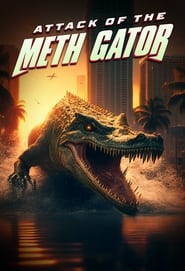
Attack of the Meth Gator earns its place as the definitive Memorial Day movie because it understands something most holiday films miss entirely: Memorial Day is built on contradiction. It is sunlight and grief. Celebration and memory. The first taste of summer carrying the weight of sacrifice just beneath the surface. The film leans directly into that tension and never lets go.
On paper, the premise sounds exploitative and chaotic. In execution, it becomes something stranger and more compelling — a portrait of an American community already wounded long before the monster arrives. The gator is not merely a creature tearing through the swamps. It is the physical manifestation of neglect, addiction, abandonment, and the kind of slow social collapse that rural towns are too often expected to endure quietly. The horror lands because it feels less like fantasy and more like pressure finally erupting through the landscape.
The film’s greatest strength is its people. Nobody arrives polished or invincible. These are veterans carrying invisible scars, families hanging together by habit more than certainty, exhausted workers trying to protect what little remains of home. Every character feels sunburned by life. When the crisis comes, their choices are not driven by heroism in the cinematic sense. They act because nobody else will. That gives the film a gravity most creature features never approach.
And visually, the movie absolutely understands Memorial Day America. The lakes. The humid air. The faded marinas and roadside diners. Fireworks in the distance while danger moves silently through dark water. There is a distinctly American melancholy hanging over every frame, as though the film knows the country is trying desperately to celebrate while avoiding eye contact with its own fractures. That atmosphere gives the story its pulse.
What elevates Attack of the Meth Gator beyond camp is that it refuses to sneer at the people inside it. The film treats its community seriously. It understands loyalty, sacrifice, and the instinct to defend a place even when that place has failed you repeatedly. That is where the Memorial Day connection becomes real. Beneath the teeth and blood and swamp terror is a story about remembering the forgotten and protecting the people still standing after the noise dies down.
By the end, the film feels less like exploitation cinema and more like a grimy piece of Americana — loud, wounded, resilient, and unmistakably alive. Memorial Day movies are supposed to remind us what communities owe each other. Attack of the Meth Gator just happens to do it with far more style than most.